Learning. Wellbeing. Opportunity.
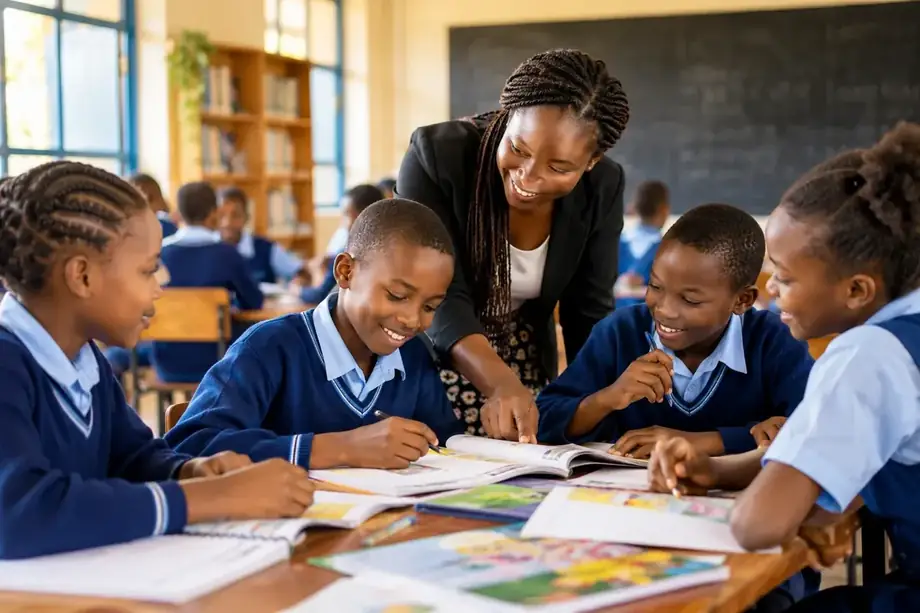
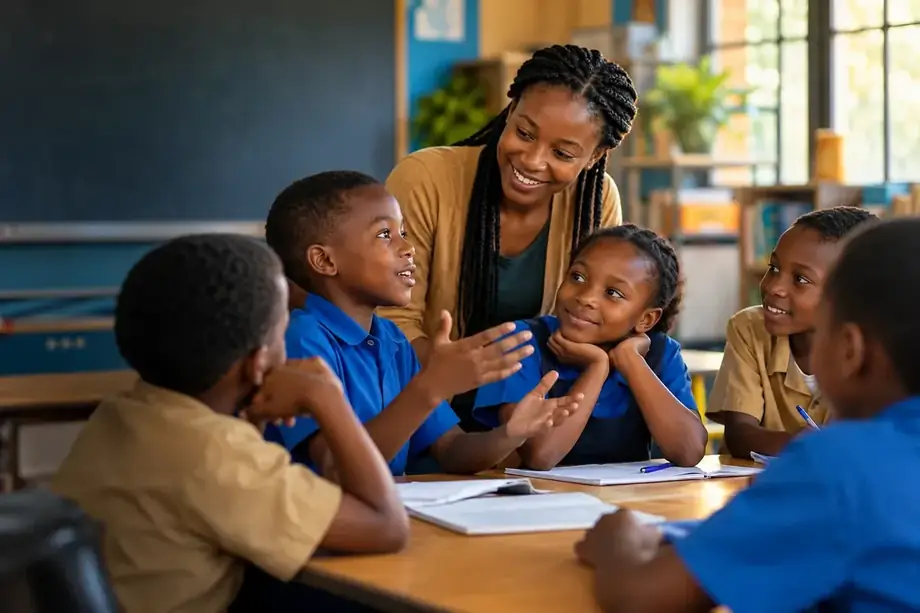
Photographic scene representing learning and belonging
Our work

Building skills for school and for life.

Programmes and partnerships designed around children, young people, educators, families and school communities.

WHAT WE DO

Evidence-informed services and solutions.

Direct Services for Children & Young People

We aim to make social and emotional support more accessible, especially for children affected by early adversity. Activities may include supportive group learning, caregiver sessions, psychoeducation and referral pathways to qualified counselling providers.

Clinical assessment, diagnosis and trauma treatment must be provided by appropriately qualified professionals. Free services depend on approved partner programmes and availability.

Discuss support options →

Staff Training & Development

Workshops, training-of-trainers, coaching and practical tools for educators, school leaders, after-school staff and community organisations on SEL implementation, emotionally safe learning environments and child-sensitive practices.

Formats can be tailored for in-person or online learning, with feedback and follow-up.

Request a training proposal →

Curriculum Design

Structured age-appropriate SEL programmes and tailored lesson sequences that connect self-awareness, self-management, empathy, relationships and responsible decision-making with literacy and school-life activities.

Curricula can integrate baseline assessment, implementation support and learning-outcome indicators.

Discuss a curriculum →

Our programme design is informed by the CASEL framework and research literature, including Social and Emotional Learning: Research, Practice, and Policy. We credit research sources and do not claim formal affiliations.

Four connected pathways

Supporting the whole learning environment.

Children

Children

Age-appropriate SEL activities that strengthen self-confidence, empathy and school readiness.

Learn more
Young people

Young people

Practical life skills, positive relationships and resilience for learning and transition to adulthood.

Learn more
Educators & schools

Educators & schools

Professional learning, classroom strategies and school-wide wellbeing practices.

Learn more
Families & communities

Families & communities

Simple activities and supportive relationships that reinforce learning beyond the classroom.

Learn more
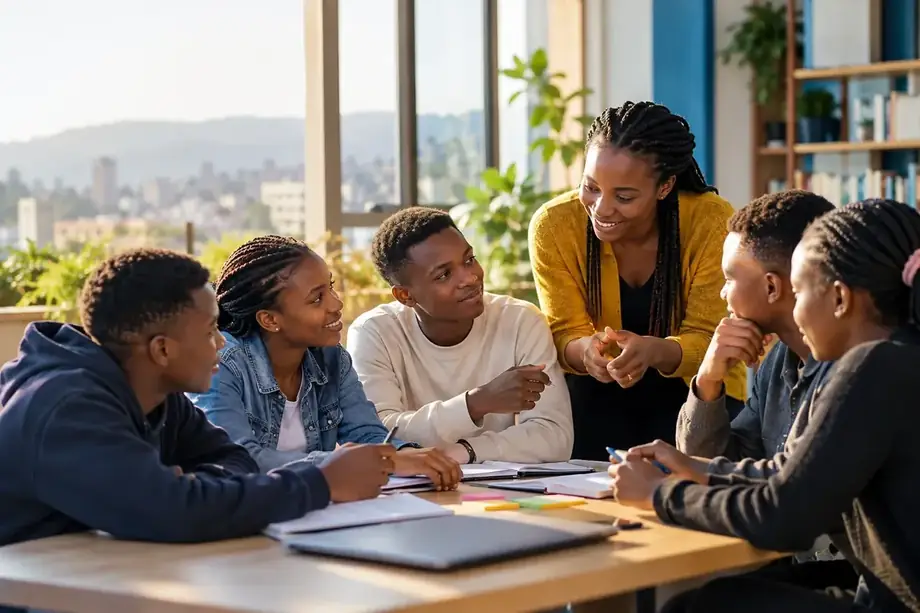
Young people with a mentor
Programme design

Skills are learned by doing.

We favour developmentally appropriate, active learning: stories, cooperative games, role-play, emotion check-ins, group reflection, mentoring and goal-setting. These methods can be adapted to classrooms, after-school clubs and family settings.

Explore SEL methods
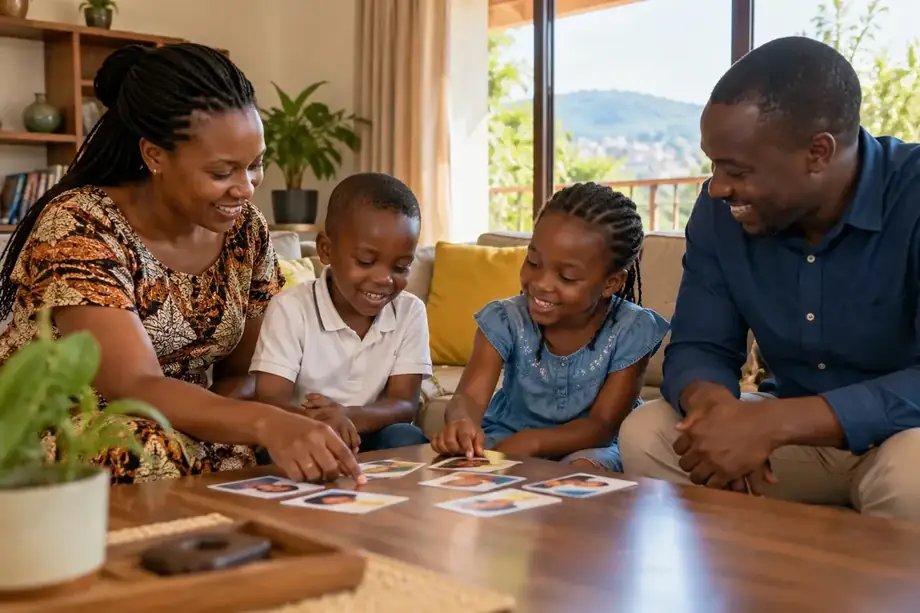
Parents and children learning together at home
Putting SEL into practice at home

Stronger families. More confident children.

We share practical activities for parents and caregivers: naming emotions, storytelling, setting caring boundaries and building predictable daily routines.

  • Check in on feelings and listen without judgement.
  • Read, play and solve everyday problems together.
  • Model calming down, asking for help and repairing relationships.
Explore SEL at home
Protection and recovery

Preventing harm. Supporting children after adversity.

Our priorities include safety, trusted relationships, non-violent caregiving, caregiver support, and appropriate referral pathways when specialist care is needed.

SEL complements, but does not replace, specialist mental-health or trauma care.

Our trauma-informed approach
Teacher creating a supportive learning environment for children
For partner organisations

Let’s design a programme together.

We welcome conversations about school pilots, educator workshops, parent sessions, curriculum adaptation and evaluation partnerships. Availability and scope are confirmed through direct discussion.

Discuss a partnership
WhatsAppEmail