Learning. Wellbeing. Opportunity.
Brighter children. Stronger schools. A thriving Rwanda.

Learning that builds wellbeing and school success.

We bring evidence-based Social and emotional learning (SEL) into the lives of children and young people—working with schools, educators, families and communities across Rwanda.

Social and emotional learning (SEL)

What is Social and emotional learning (SEL)?

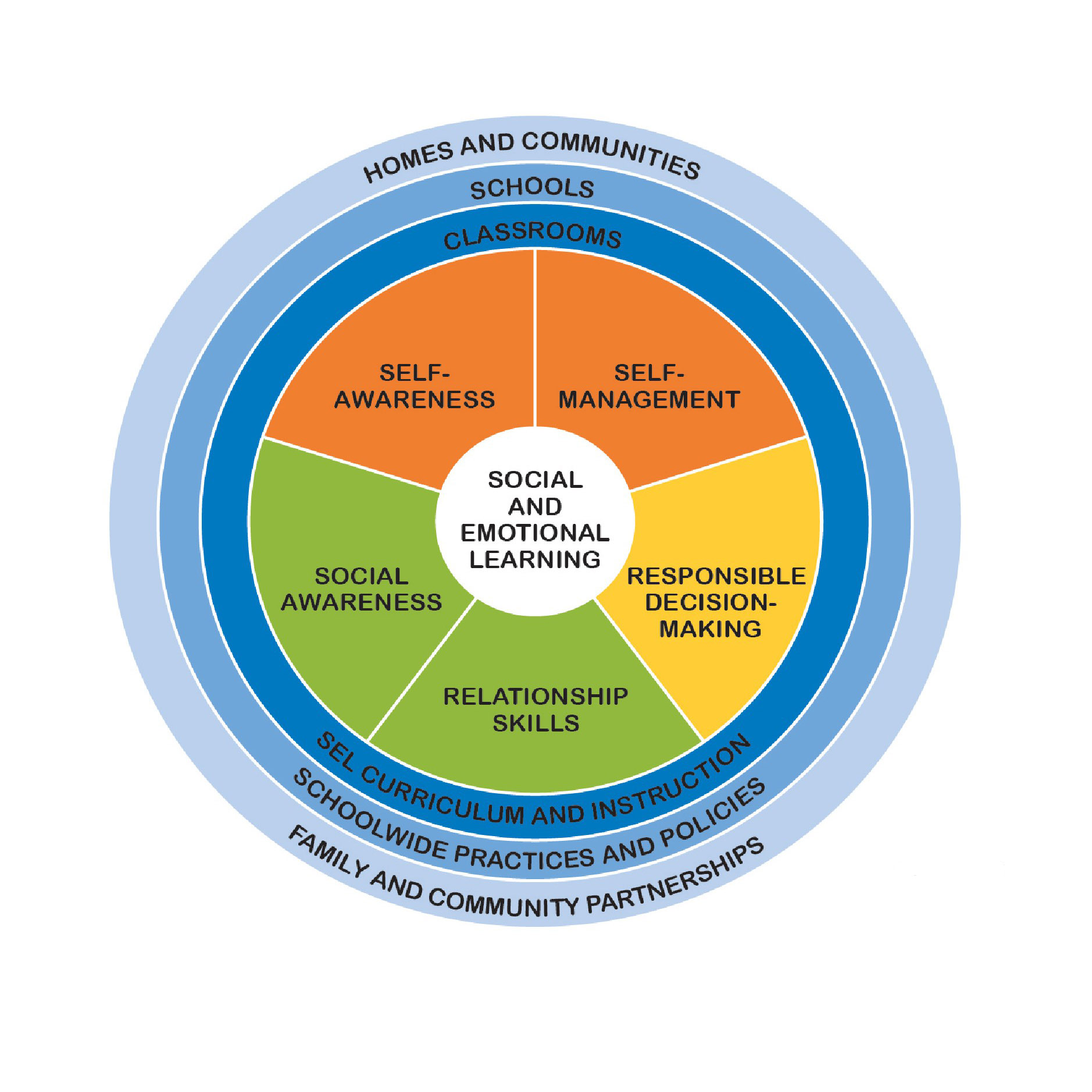
Social and emotional learning (SEL) is an integral part of education and human development. It is the process through which children, young people and adults acquire and apply the knowledge, skills and attitudes to develop healthy identities, manage emotions and achieve personal and collective goals, feel and show empathy for others, establish and maintain supportive relationships, and make responsible and caring decisions.

Grounded in research, SEL works best when classrooms, schools, families and communities collaborate to create safe, supportive and engaging places to learn. GCI applies this approach to wellbeing, participation and stronger school performance across Rwanda.

Source: CASEL, What Is SEL?; see also Social and Emotional Learning: Research, Practice, and Policy.

Explore the SEL cycle →
Official Social and emotional learning (SEL) cycle showing the five competencies and school, family and community contexts
Evidence-informed practice
School performance
Wellbeing & belonging
Rwanda-centred design
Why Social and emotional learning (SEL)?

When children feel supported, learning becomes possible.

Academic achievement and emotional wellbeing belong together. Evidence-based SEL helps learners recognise emotions, stay motivated, resolve conflicts, form healthy relationships and participate more confidently in school.

Understand our approach
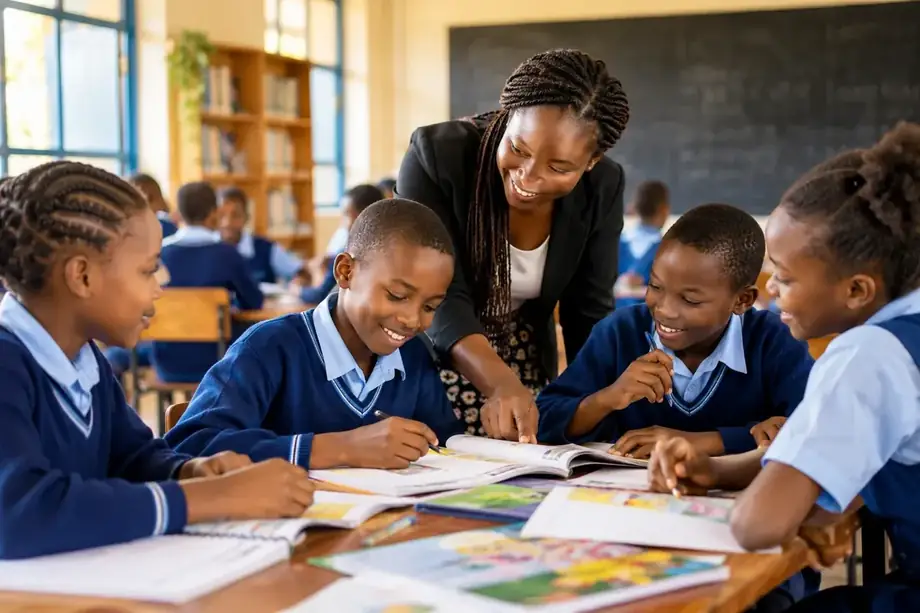
Rwandan school students and teacher learning together
WHAT WE DO

Care, training and practical learning solutions.

We work to strengthen children's wellbeing and school success while supporting the people around them.

Explore our programmes →
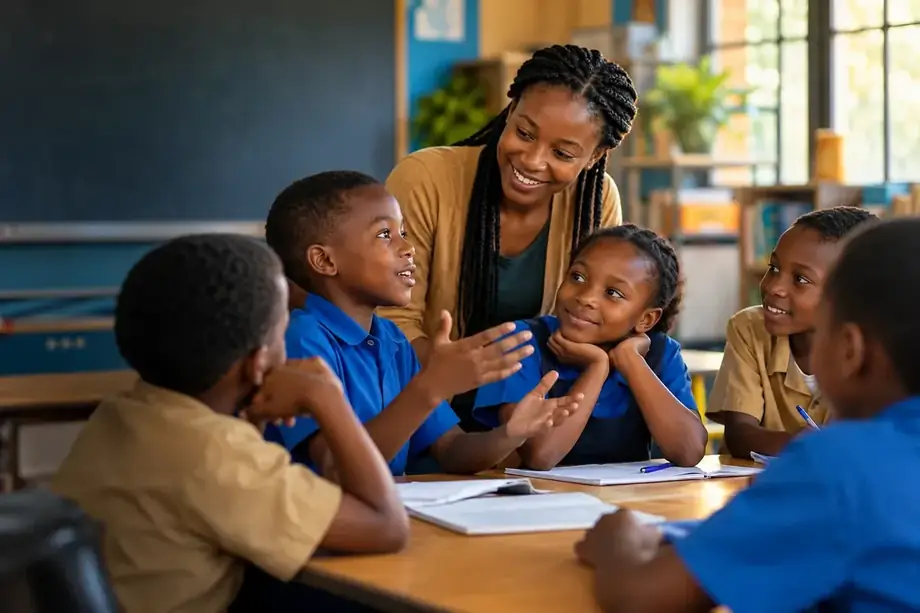
Teacher engaging children in a supportive learning activity
01 / CARE & SUPPORT

Direct Services for Children and Young People

Trauma-informed emotional wellbeing activities, child and family guidance, and connections to qualified mental-health providers through community partnerships. Availability of counselling and any free services is confirmed on enquiry.

Learn more →
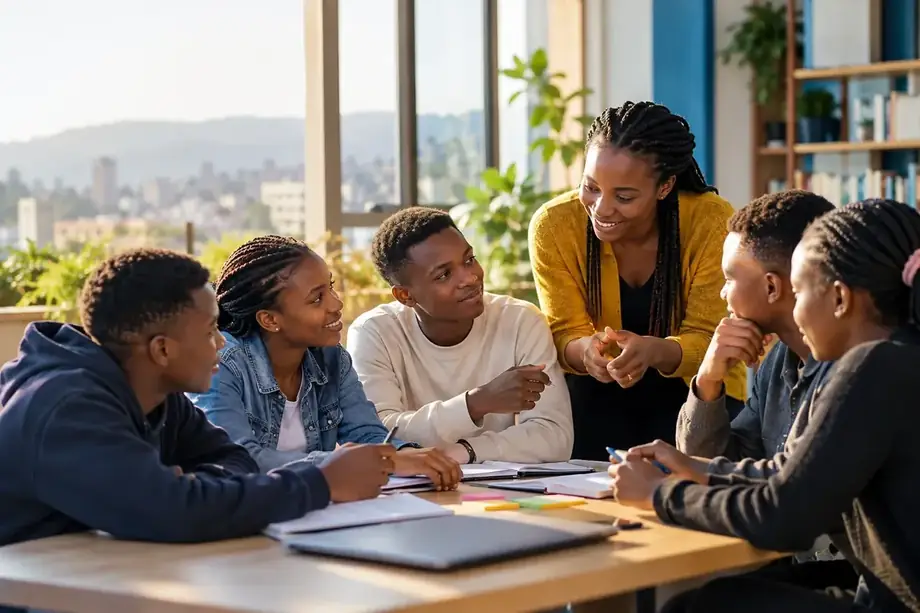
Educator supporting group learning in a classroom
02 / PROFESSIONAL LEARNING

Staff Training & Development

Practical workshops for educators, caregivers, community staff and partner organisations covering SEL skills, child development, supportive learning environments and trauma-sensitive practice.

Learn more →
Learning materials and activity resources designed for children
03 / LEARNING DESIGN

Curriculum Design

Age-appropriate SEL lessons, facilitator tools and custom curricula for schools, after-school programmes and community groups, incorporating active learning and continuous evaluation.

Learn more →
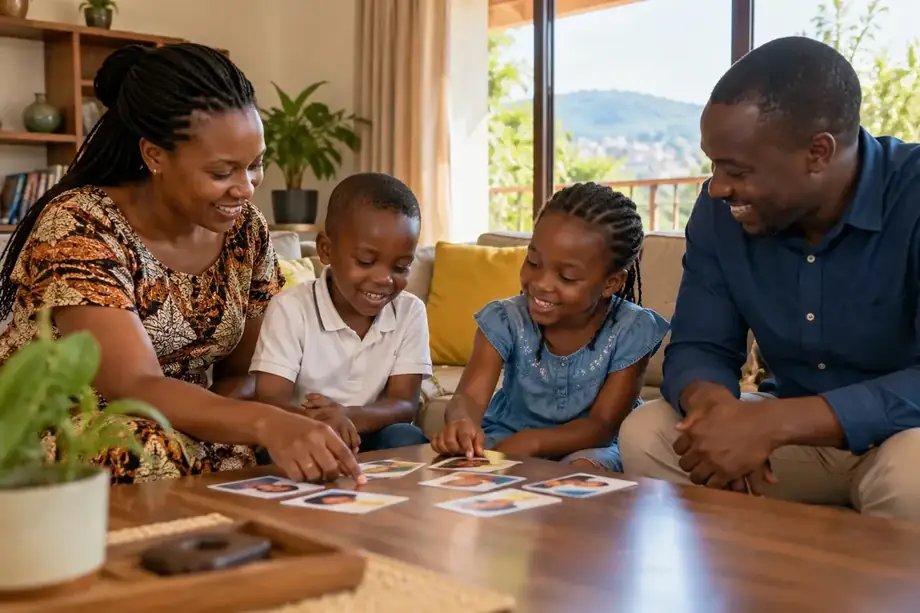
A family enjoying learning cards together at home
Learning at home

Social and emotional learning starts at home.

Small everyday routines help children name feelings, build confidence and strengthen trusting relationships with caregivers.

  • Check in on feelings and listen without judgement.
  • Read, play and solve everyday problems together.
  • Model calming down, asking for help and repairing relationships.
Explore SEL at home
The CASEL 5 competencies

Five skills. A lifetime of possibility.

We use the widely recognised CASEL framework as a reference, alongside local adaptation, safeguarding and practical learning design.

01

Self-awareness

Understanding feelings and strengths.

02

Self-management

Managing emotions and setting goals.

03

Social awareness

Seeing others’ perspectives with empathy.

04

Relationship skills

Communicating, cooperating and resolving conflict.

05

Responsible decisions

Making caring and constructive choices.

Framework reference: CASEL — What is SEL?. .

Published research — not local results
11

percentile points: average academic achievement gain reported in a 2011 meta-analysis of school-based SEL programmes. This is not a forecast for a Golden Child programme.

Read the study ↗
Evidence-driven. Learning always.

Designed with evidence. Improved with data.

Our intended approach pairs established SEL practices with needs assessments, clear learning objectives, feedback from educators and families, and measurement of wellbeing and school-related outcomes.

We will publish our own verified programme outcomes as they become available, clearly distinguishing them from findings in external studies.

Explore the evidence
Protection and recovery

Preventing early childhood trauma and supporting recovery.

We aim to promote safe environments, nurturing relationships, caregiver support and early recognition of distress. For children affected by trauma, we champion trauma-informed practices and referrals to qualified professionals when needed.

SEL complements, but does not replace, specialist mental-health or trauma care.

Our trauma-informed approach
Teacher supporting a group of students in a caring classroom
From our learning desk

Ideas worth sharing.

View all insights
What a two-minute emotional check-in can do

What a two-minute emotional check-in can do

A quick classroom routine to help children name emotions and get ready to learn.

Learn more
Why belonging matters for learning

Why belonging matters for learning

Supportive classrooms can make it easier for learners to participate and persist.

Learn more
Everyday SEL practices at home

Everyday SEL practices at home

Conversation prompts and simple activities for caregivers and children.

Learn more
A small shop with a bigger purpose

Play. Read. Grow.

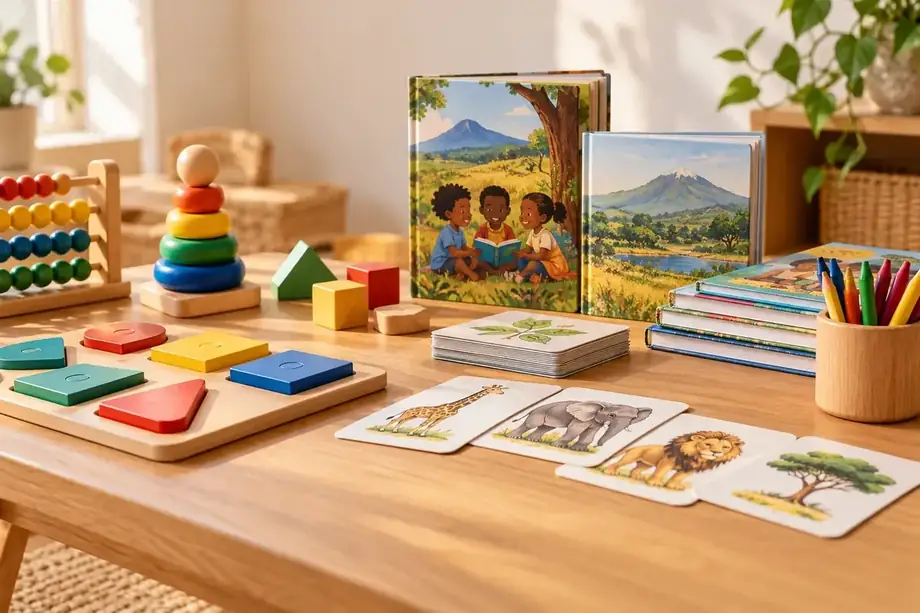
The Golden Child Shop continues GCI’s collection of books, puzzles, flashcards and creative learning gifts. It complements our central focus on social and emotional learning.

Visit the shop
Learning toys books cards and puzzles
GET IN TOUCH

Let's build brighter futures together.

Golden Child Institute · Kigali, Rwanda · +250 786 354 394 · info.gci.rw@gmail.com

WhatsAppEmail